
5 Reasons Travelers Are Soaking Up Wellness Vacations at Minerals Springs
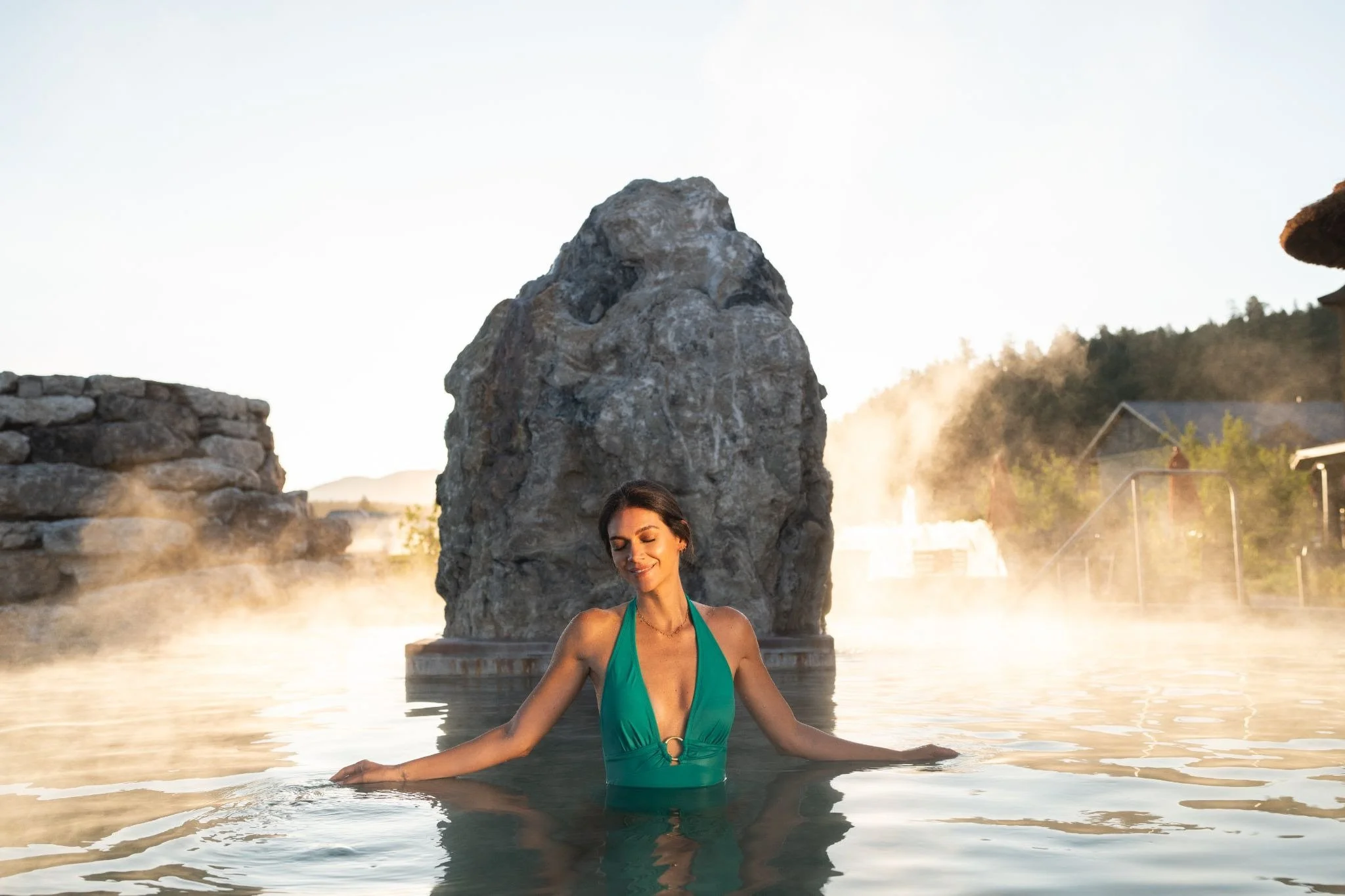
Travelers are increasingly seeking experiences that go beyond the traditional spa day, eager for a more wellness-focused experience and active adventures. As National Wellness Month approaches in August, more and more people are planning entire trips around restoration, sleep, longevity and recovery.
One destination at the forefront of that movement is The Springs Resort in Pagosa Springs, Colorado, home to the world's deepest geothermal hot spring and more than 50 geothermal soaking pools overlooking the San Juan River. Guests travel from around the country to immerse themselves in naturally mineral-rich waters while participating in wellness programming designed to support relaxation, recovery and overall well-being.
The Springs Resort in Pagoda Springs is one of several great options in Colorado. Check out our Top 10 Hot Springs for a Wellness Vacation in Colorado.
Mineral springs offer geothermal waters rich in minerals like magnesium, calcium, silica, sulfur, and bicarbonates, and they have surged in popularity as premier wellness destinations. Travelers are looking for more than relaxation, though. They want a reset and restoration. From Iceland’s Blue Lagoon to New Mexico’s Ojo Caliente, Australia’s Peninsula Hot Springs and Colorado’s Pagoda Springs, these magical natural wonders blend healing, scenic beauty and modern luxury.
Here are five top reasons for this travel trend.
1. Scientifically Backed Therapeutic Benefits for Body and Mind
Mineral-rich waters deliver tangible health advantages, setting them apart from standard spa treatments. Balneotherapy (therapeutic bathing) eases musculoskeletal pain, reduces inflammation and improves mobility for conditions like arthritis, fibromyalgia and chronic joint conditions.
Studies show sustained pain reduction and better physical function that can lasts for months after time soaking in the springs.
Minerals play key roles: magnesium aids muscle relaxation and sleep; sulfur provides anti-inflammatory effects; silica supports skin and bone health; calcium and other minerals boost circulation and detoxification. Heat improves blood flow, buoyancy eases joint pressure, and hydrostatic pressure reduces swelling. Visitors often report better sleep, lower cortisol (stress hormone), reduced anxiety and enhanced mood.
Skin benefits stand out too — you can experience softer, clearer complexions because of hydration and barrier repair. Destinations like Desert Hot Springs, California, highlight lithium and other trace minerals for calming effects. These outcomes explain why wellness tourists increasingly choose mineral springs over generic retreats.
2. Connection to Nature and Sensory Restoration
Mineral springs locations often are woven into dramatic landscapes — mountains, forests, deserts or volcanic fields — which adds to the relaxation and sense of calm. Soaking outdoors with misty views, crisp air or starry skies creates a multisensory reset unavailable in indoor spas.
In Pagosa Springs, tiered riverside pools offer stunning mountain views and hot-to-cold plunges that invigorate circulation and respiratory responses. Iceland’s Blue Lagoon contrasts steaming turquoise waters against black lava rocks. Japan’s onsens and New Zealand’s geothermal spots provide similar immersion.
This nature connection lowers stress, promotes mindfulness and delivers a sense of awe.
Many facilities emphasize eco-friendly access and minimal environmental impact, aligning with travelers’ desire for regenerative experiences. The combination of geothermal warmth, mineral scents and natural soundscape (flowing water, birds) delivers deep nervous-system regulation.
3. Cultural and Historical Connections
Mineral springs carry centuries of tradition, adding deeply meaningful context beyond the soaks. Ancient Romans, Greeks, Egyptians, Japanese and Indigenous cultures revered the springs as sacred healing sites. This heritage enriches your visits to these sites.
In the U.S., places like Omni Homestead Resort in Virginia were used by presidents and early settlers. New Mexico’s Ojo Caliente has drawn seekers for generations with its unique mineral mixes (lithia, iron, soda, arsenic). Europe’s spa towns (e.g., Vichy, France) and Japan’s onsen culture embed bathing in daily life and rituals.
Travelers value this continuity in an era craving genuine experiences over commodified wellness. Participating in historic bathing practices or learning local traditions creates emotional connection and core travel memories, elevating a trip to a cultural pilgrimage.
4. Holistic, Integrated Wellness in Luxurious Settings
Modern mineral spring destinations offer far more than pools. They combine thermal bathing with yoga, meditation, sound baths, nutrition plans, spa therapies, fitness classes and even medical consultations. Properties like WorldSprings recreate global mineral profiles alongside circuits targeting stress, detox, sleep, or inflammation.
Luxury resorts blend ancient practices with contemporary amenities: farm-to-table dining using mineral-rich produce, personalized programs and high-end accommodations. Austria’s Mayrlife or Malaysia’s Banjaran Hotsprings exemplify this integration of body, mind and spirit in stunning environments.
The trend aligns with booming wellness tourism, projected to grow significantly as people prioritize sleep, nutrition, longevity and recovery. Mineral springs provide a natural focal point for comprehensive resets.
5. A Sustainable and Mindful Escape from the Modern World
Mineral springs offer intentional slowness and disconnection from your typically fast-paced lifestyle. Soaking encourages presence, digital detox and community (many sites foster social yet serene shared experiences). This appeals especially to Millennials, Gen Z, and high-income travelers who spend more on meaningful wellness trips.
Many destinations emphasize sustainability — geothermal energy is renewable, and developments focus on conservation. Visitors support local economies while feeling good about their low-impact travel choices. The resurgence of U.S. and global hot springs reflects a renaissance: record visitation and new resorts signal strong demand for nature-based, health-focused getaways.
The Future of Wellness Travel
Mineral spring destinations perfectly address contemporary needs: evidence-based health support, nature reconnection, cultural depth, holistic programming, and mindful escape. Whether seeking pain relief, stress reduction, skin rejuvenation, or profound relaxation, these places deliver transformative experiences rooted in the earth’s own remedies.
As wellness tourism expands, mineral springs stand out for their timeless appeal and proven efficacy.