
The 5 Best Cruise Shore Excursions in Alaska’s Top 5 Cruise Ports
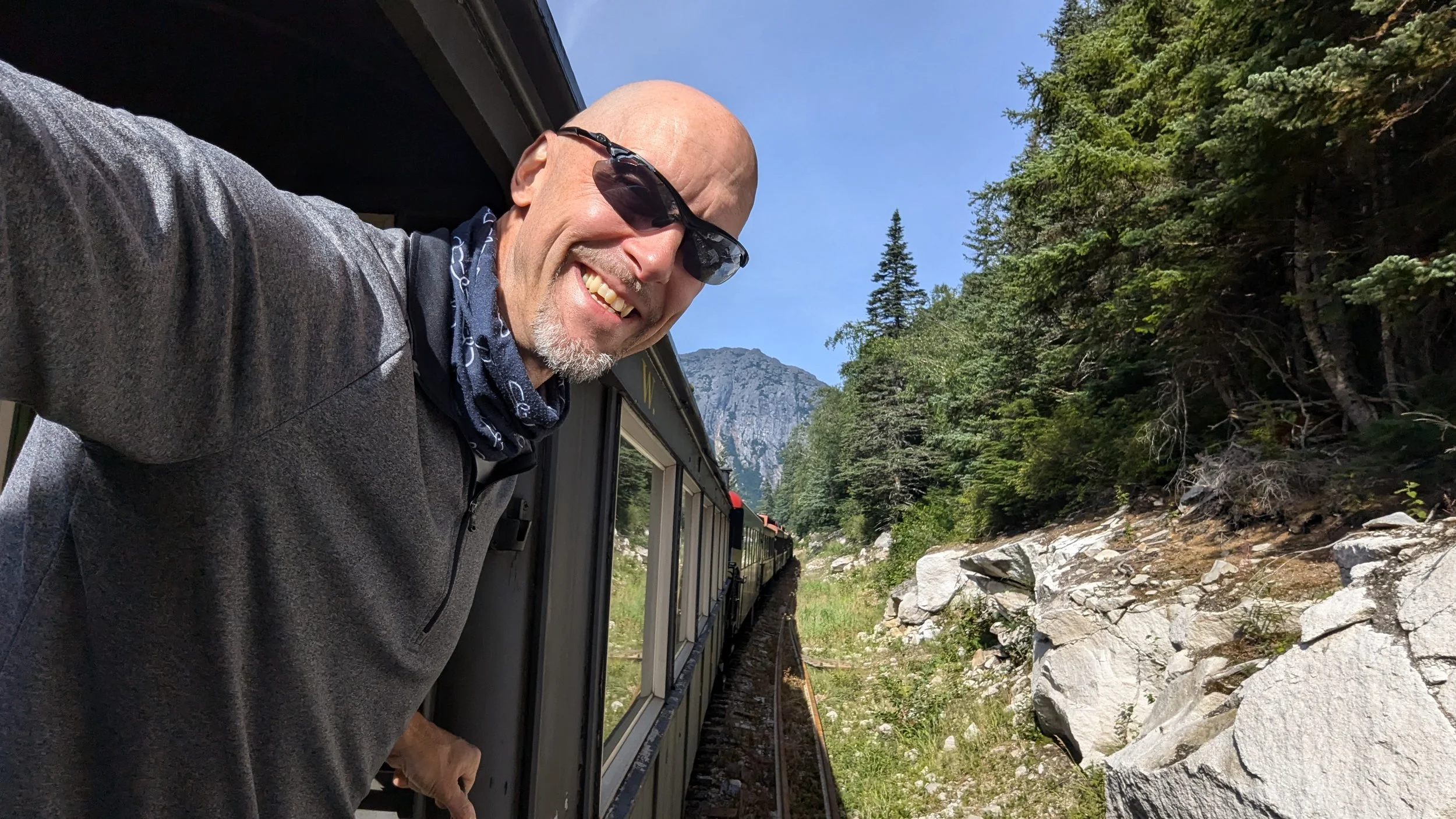
We tried the White Pass & Yukon Route Railroad shore excursion on a visit to Skagway, and it was a wonderful way to learn about the history of the region and enjoy stunning views. (Photo by John Roberts)
Alaska is our favorite destination, and cruising in Southeast Alaska is a special way to enjoy a hearty slice of the nature, history and culture.
Travelers love the transit through the Inside Passage amid towering mountains, pristine fjords, and abundant wildlife.
Most cruise itineraries will feature some combination of five ports town and cities: Juneau, Ketchikan, Icy Strait Point, Sitka, and Skagway.
Each blends rich history with natural beauty and plenty of opportunity for outdoor adventures. Whether you're chasing glaciers, spotting whales, or learning a little about the region’s Gold Rush era, these cruise ports deliver unforgettable experiences.
Let’s take a look at each of these Alaska cruise ports, and I’ll highlight the best shore excursions for you to consider when you visit.
1. Skagway: Gold Rush Boomtown Turned Scenic Icon
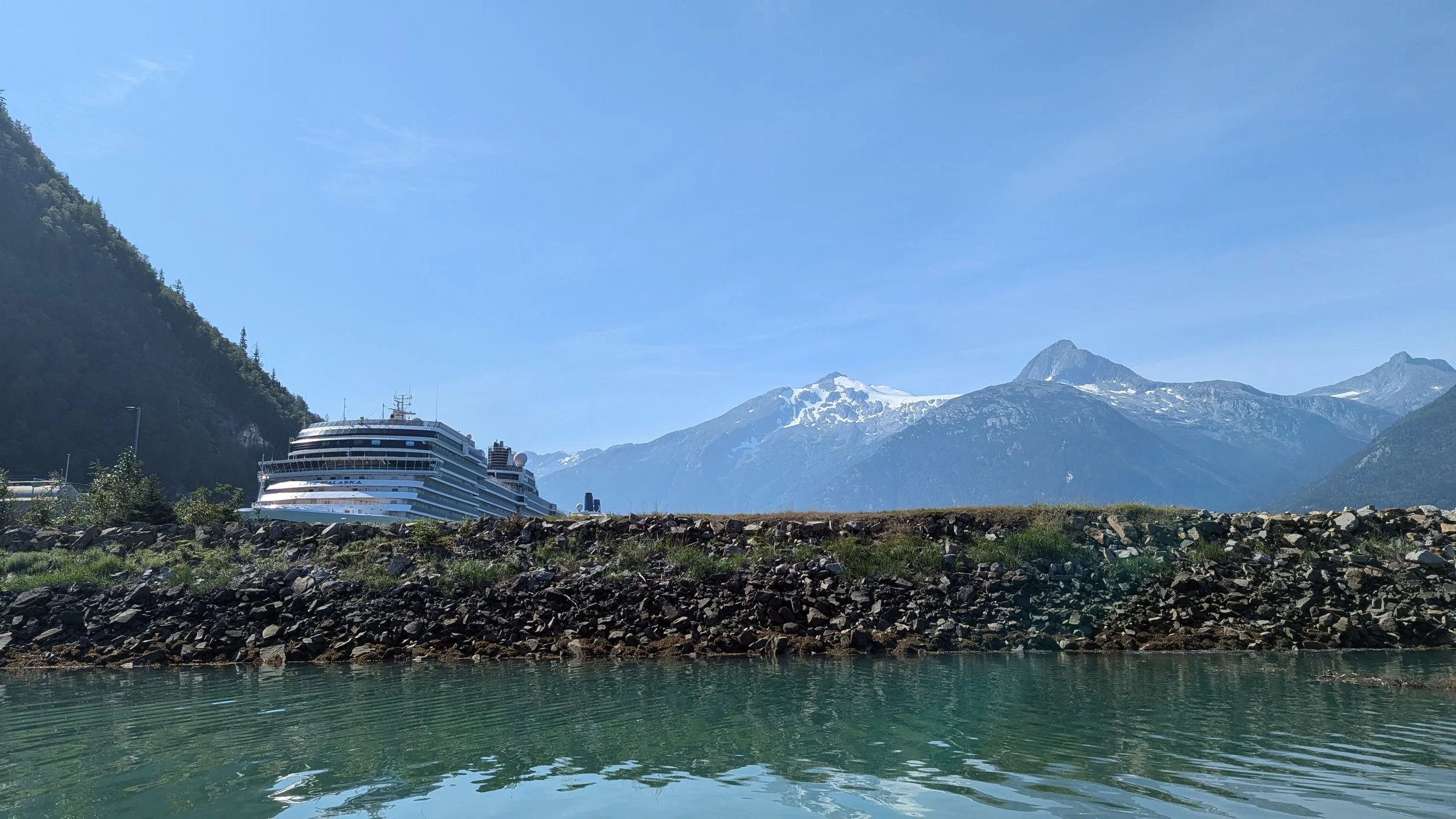
A cruise ship in port in Skagway. The town is small and easily walkable from the port area. (Photo by John Roberts)
Skagway, a tiny town of about 1,000 at the head of Lynn Canal, is another destination with a rich Gold Rush history. Cruise ships dock steps from Broadway, the historic main street within Klondike Gold Rush National Historical Park.
Everything's walkable or a quick SMART bus ride away — perfect for independent explorers or guided adventures.
The Klondike Gold Rush of 1897–98 cause Skagway to blossom almost overnight. After the gold discovery in Canada's Yukon (1896), tens of thousands of stampeders flooded in via steamships, braving the treacherous White Pass or Chilkoot Trail.
Boomtown chaos ensued with dozens of saloons opening up — and a railroad completed in 1900. The rush faded quickly, but the town preserved its wooden storefronts and stories as a living museum.
Best Shore Excursion in Skagway: White Pass & Yukon Route Railroad
This is an iconic three to three-and-a-half-hour round-trip train ride to White Pass Summit (around $150 to $200 per person).
Vintage-style cars climb through dramatic gorges, over wooden bridges and past waterfalls and glaciers along the historic Gold Rush route. Narration tells takes of the perilous construction and how the rail was used during the rush.
At the summit (2,865 feet), you;; have views into Canada before descending back down the mountain pass and back into town.
Some combo rides add the Yukon suspension bridge.
This tops the list for its engineering marvel, historical immersion and spectacular scenery; no hiking is required. It's comfortable and family-friendly.
Tips: Book the earliest departure for best light for photos and fewer crowds; bring a jacket in case there’s a chill in the air as you ascend to higher elevations.
2. Juneau: Alaska's Capital of Adventure
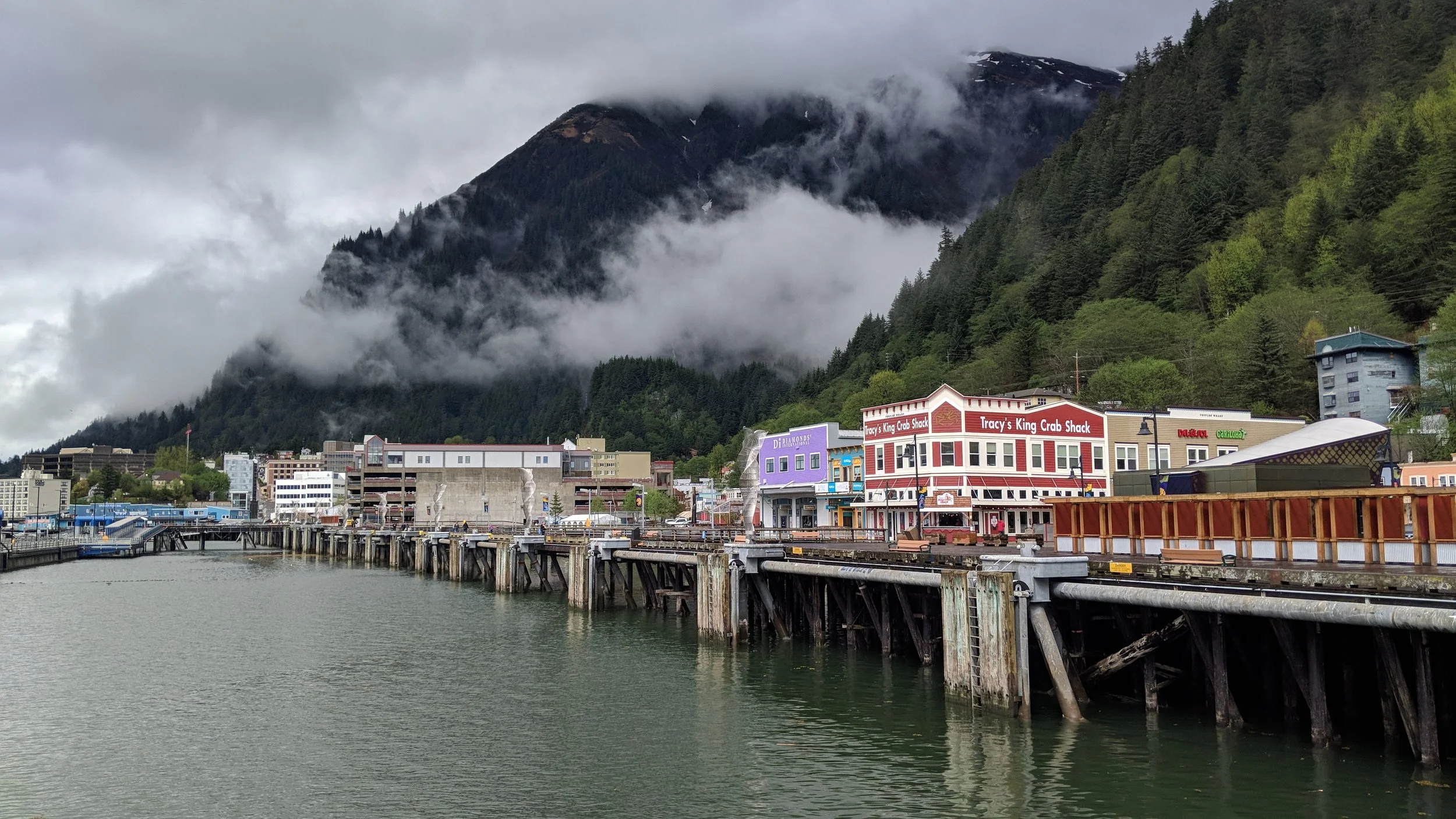
We had a view of the picturesque waterfront during a cruise stop in Juneau on one of our recent cruises to Alaska. (Photo by John Roberts)
Alaska's state capital has a population of about 30,000, and it's a vibrant hub accessible only by air or sea — no roads connect it to the rest of the world. Nestled between the Gastineau Channel and massive mountains, Juneau is the gateway to Tongass National Forest and the Juneau Icefield.
Cruise ships dock at a set of downtown piers (or the slightly farther AJ Dock with free shuttles), putting visitors just steps from shops, saloons and tramways. You’l find yourself energized by the mix of urban energy and wilderness: bald eagles soar overhead, and float planes (“Alaskan water taxis”) land and take off in the channel all day long.
The city’s origins date to 1880 when prospectors Joe Juneau and Richard Harris, guided by Tlingit Chief Kowee, struck gold in what was then called Harrisburg. The discovery sparked a rush that transformed the remote outpost into a booming mining town. By 1900, Juneau was Alaska's capital, a status it holds today despite repeated attempts to relocate it nearer Anchorage. The indigenous Tlingit heritage remains strong, woven into the fabric alongside Gold Rush remnants and modern eco-tourism. Nearly a million cruise visitors arrive annually, drawn to its mix of culture, history and active pursuits.
Best Shore Excursion in Juneau: Whale Watching & Mendenhall Glacier Tour
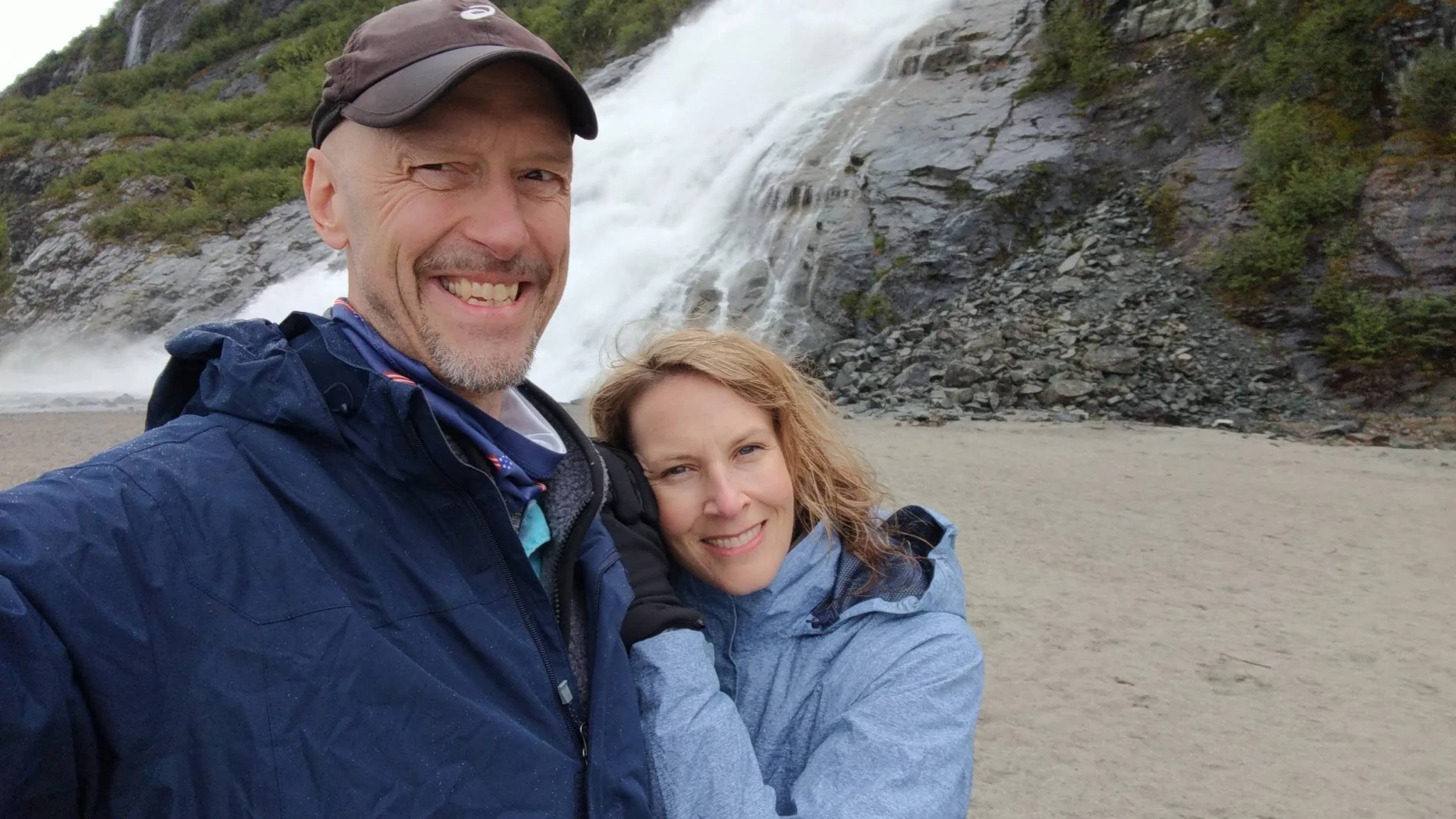
Colleen and I walked down to Nugget Falls during our shore excursion to Mendenhall Glacier. (Photo by John Roberts)
Look for and outfitter that offers this combo tour (it typically will last for four to five hours and cost around $200 per person). This offers an ideal blend with the chance to see two Alaska icons: the whales and the ice. Many operators offer a 100 percent whale-sighting guarantee. Tours will start with a scenic bus ride to Mendenhall Glacier, a 13-mile-long river of ice spilling from the Juneau Icefield. At the U.S. Forest Service Visitor Center, stroll easy trails or hike to Nugget Falls for up-close views of the glacier calving into a turquoise lake. Bears occasionally fish for salmon nearby. Don’t worry, there is ranger supervision.
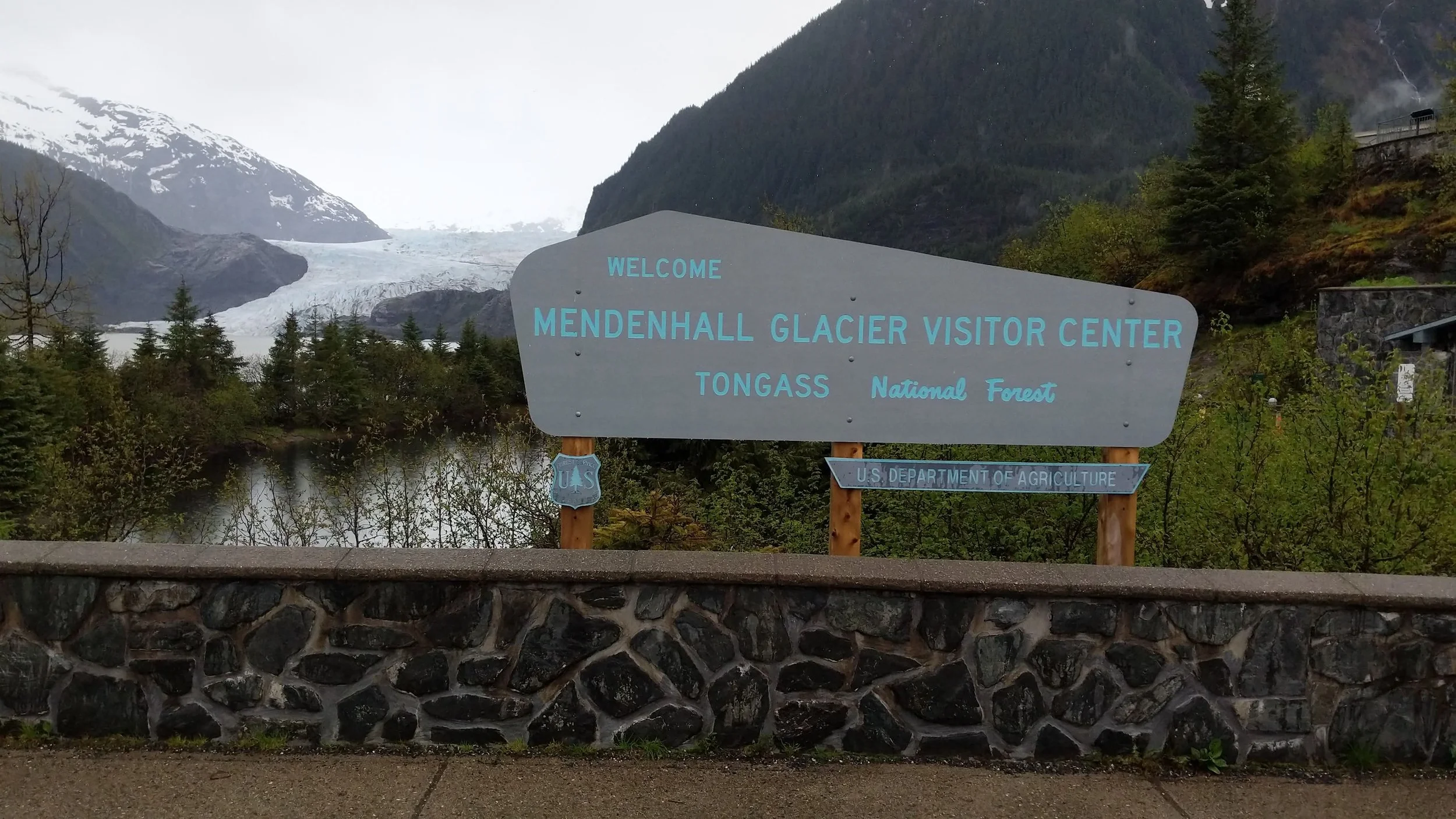
The visitor center is a great access point for short hikes down to the falls and other points of interest around Mendenhall Glacier. (Photo by John Roberts)
Then, board a catamaran for the whale-watching cruise in the protected waters of Stephens Passage or Frederick Sound.
Humpback whales are frequently sighted while breaching and tail-slapping in summer —often with dozens in a pod. Onboard naturalists answer questions and talk about whale behavior and migration patterns. Many tours include binoculars or hydrophones to hear the whales' songs. It's family friendly, accessible, and delivers plenty of "wow" moments.
Tips: Dress in layers (it can be chilly on the water), and opt for morning excursions to avoid large crowds.
3. Ketchikan: Salmon Capital and Natural Wonders
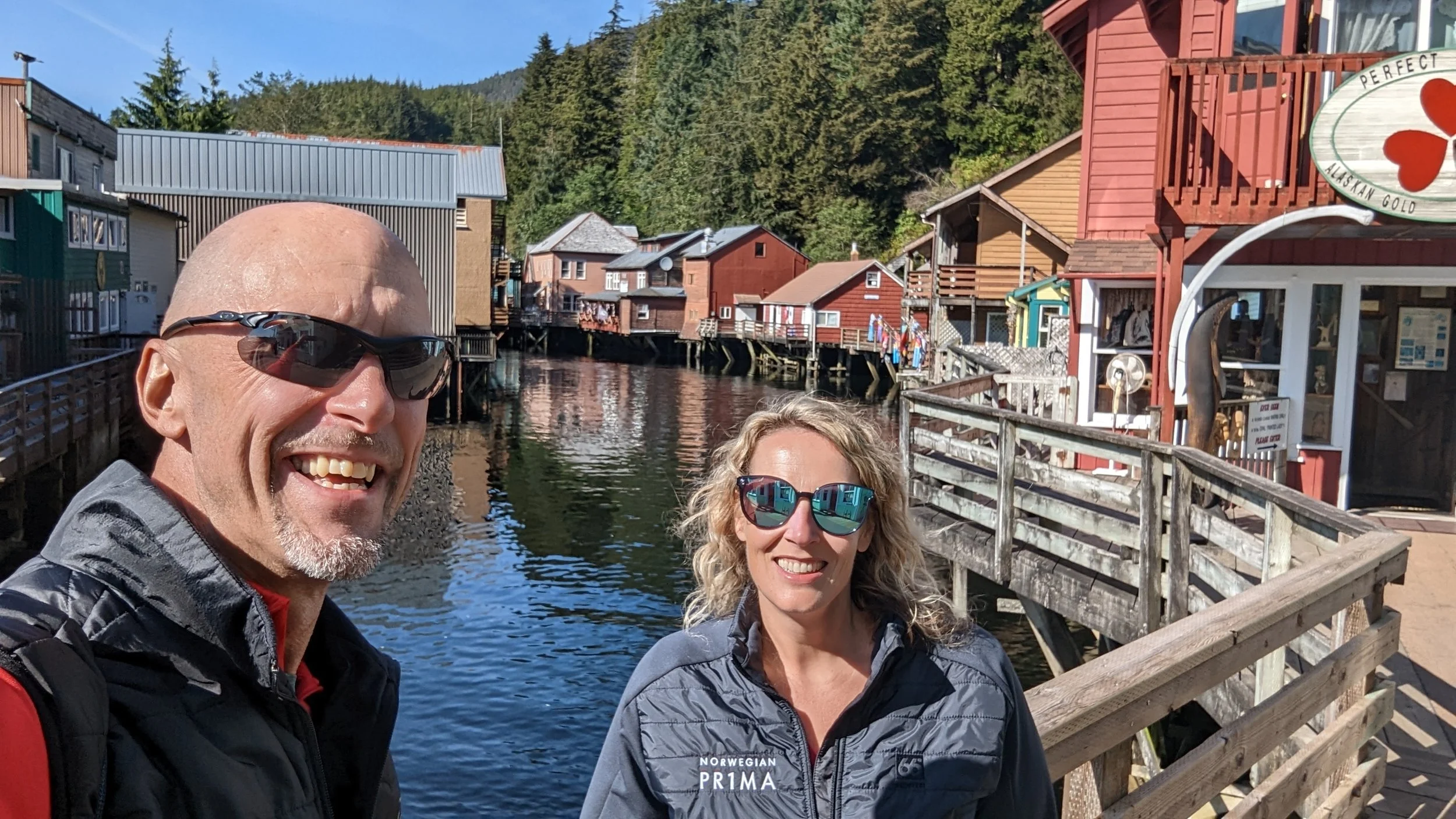
We were fortunate to have a sunny and war, day during this visit to vibrant Creek Street in Ketchikan. (Photo by John Roberts)
Ketchikan (population around 8,000) welcomes cruisers with a charming waterfront lined with colorful buildings on stilts. Ships dock downtown or at Ward Cove, with free shuttles or short walks connecting to historic sites.
This compact, walkable town is famous for its temperate rainforest, massive totem pole collection and proud Tlingit roots. It’s also known as the "Salmon Capital of the World" thanks to its fishing heritage.
Ketchikan’s history dates to 1885, when founder Mike Martin built a cannery along Ketchikan Creek. The town boomed with lumber mills and commercial fishing in the early 20th century. Creek Street, once a rough-and-tumble red-light district with brothels on either side of the creek, now is home to museums and gift shops.
Tlingit and other Native influences are evident in the art and traditions of the town, while the nearby Misty Fjords National Monument adds untouched wilderness appeal.
Best Shore Excursion in Ketchikan: Flightseeing Misty Fjords National Monument
This will be a roughly two-hour seaplane or floatplane flight over Misty Fjords (around $350 to $400 per person), which is called the "Yosemite of the North" or the "Grand Canyon of Alaska." The flights soar above 3,000-foot granite cliffs, and you’ll see cascading waterfalls filling pristine lakes, as well as the dense old-growth Tongass National Forest.
Pilots narrate the geology and wildlife while spotting mountain goats, bears or eagles from your majestic vantage point above it all.
Many tours include a water landing for photos on a remote lake. It's the most-efficient way to experience this vast monument (bigger than Yosemite).
Boat tours exist, but the flights cover more ground, offers dramatic views and avoids rough seas. It's thrilling but safe and comfortable, with small groups for personalized views.
Tips: Take motion-sickness meds if needed (flights are generally smooth but can be windy), wear comfortable clothes, and book an early slot for clearer weather.
4. Icy Strait Point: Tlingit Culture and Raw Wilderness
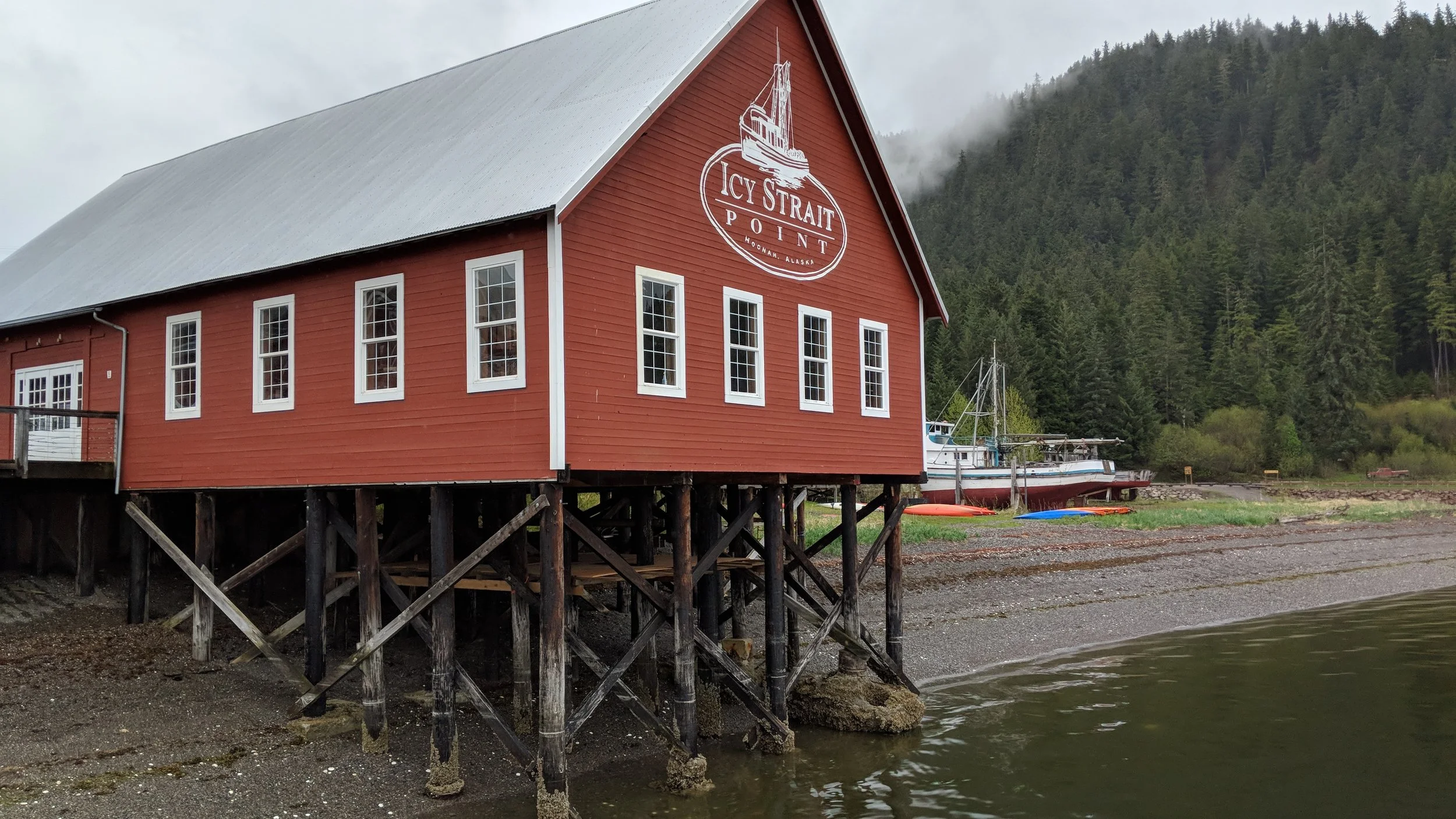
Icy Strait Point is a port community developed to support cruise ship visits. The visitors center is in a historic cannery building. (Photo by John Roberts)
Icy Strait Point is a privately owned cruise port on Chichagof Island near the Tlingit village of Hoonah. When you arrive, it feels like a hidden gem.
Excursions depart from a restored century-old salmon cannery that is now a welcome center and visitor hub with shops and museum pieces.
Icy Strait is compact and focused on authentic Alaskan experiences: wildlife, adventure and Native culture in one of Southeast Alaska's most pristine areas.
The Huna Tlingit (Xunaa Káawu) have called this land home for thousands of years, living in harmony with sea and forest.
Hoonah is Alaska's largest Tlingit village. The modern port launched in 2004 through a partnership between the Hoonah Indian Association (Huna Totem Corporation) and cruise lines like Norwegian Cruise Line and Royal Caribbean. Profits support the community, helping to preserve traditions and create jobs. The old cannery highlights the area's fishing roots from the early 1900s.
Best Shore Excursion in Icy Strait Point: Bear Watching
The port is located on Chichagof Island — often called "Bear Island,” so it’s a thrilll to see the coastal brown bears that call this remote destination their home.
There are estimates of one to two bears per square mile in some areas, among the highest concentrations worldwide.
Cruise passengers typically join organized guided excursions, such as small-group van or bus tours that venture along logging roads, through Tongass National Forest, and near rivers or streams like the Spasski River Valley. A three-hour tour costs $150 to $200 per person.
These land-based searches offer the best opportunity to spot brown bears in their natural habitat, often foraging for salmon or berries, alongside other wildlife like bald eagles, Sitka black-tailed deer and occasionally seals or other animals.
While sightings are common during peak summer months (when bears are active), they are never guaranteed, as these are wild animals living in the vast wilderness areas. Many excursions can combine bear searching with whale watching for a fuller wildlife adventure. You’ll be led by friendly and knowledgeable guides and enjoy scenic drives through old-growth forests. The tours feature thrilling close-up (yet safe) views from your vehicle or outside on raised platforms.
This excursion delivers a fun off-the-beaten-path Alaskan experience, making it a top recommendation for those seeking memorable bear encounters without venturing far from the ship.
5. Sitka: Where Russian and Native Histories Converge
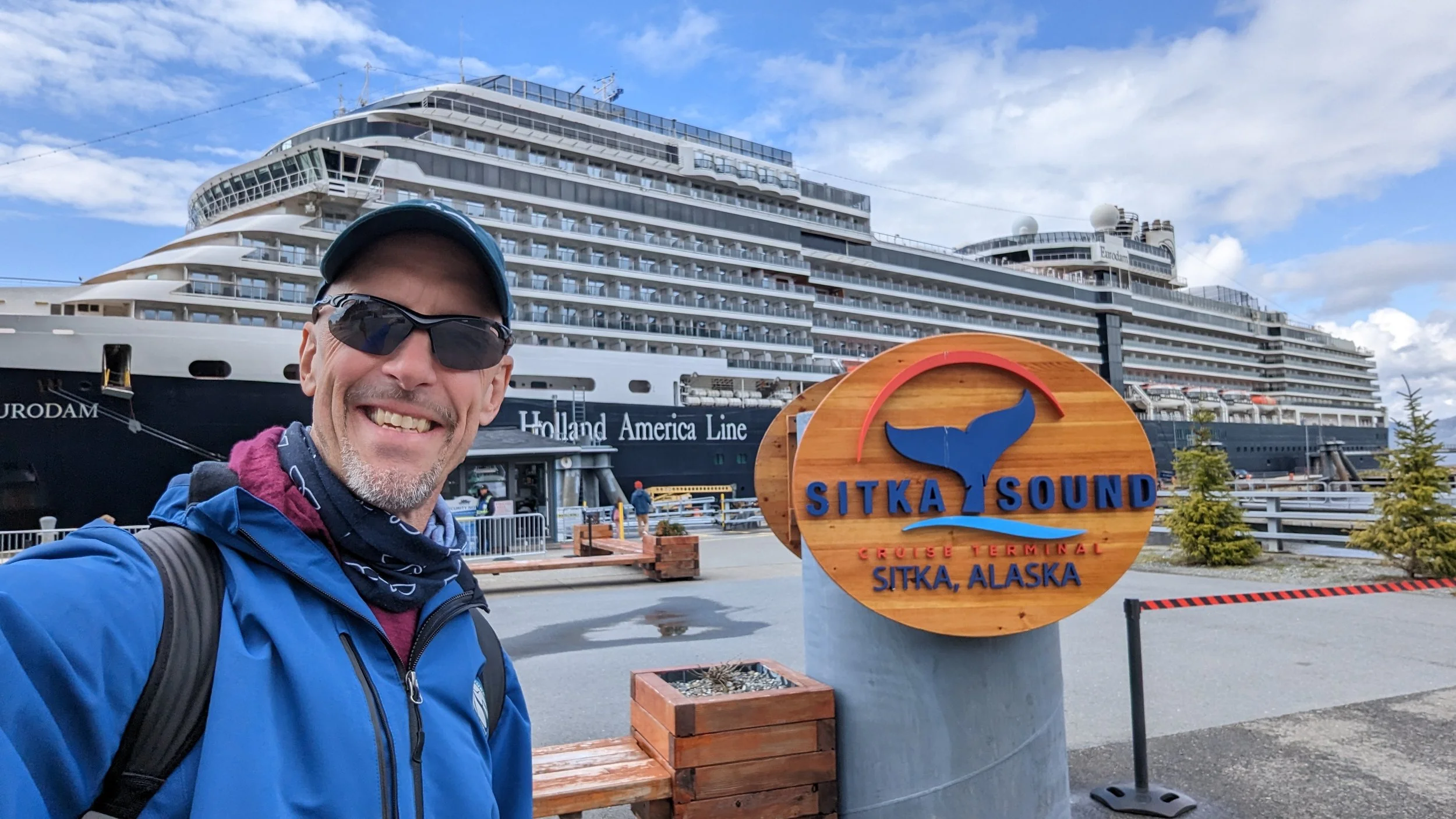
The Sitka Sound cruise facility features a variety of shops and restaurants, making it a wonderful spot to visit before or after your shore excursion activities. (Photo by John Roberts)
Sitka sits on Baranof Island overlooking Sitka Sound.
The quirky city has a fascinating history, and today’s scenery blends Russian onion domes with Tlingit totem poles and abundant wildlife.
The Sitka Sound Cruise Terminal (about 20 minutes from downtown) offers free shuttles; smaller ships tender directly to the walkable waterfront. It's less crowded than bigger ports, with a relaxed vibe that appeals to history buffs and nature lovers.
Tlingit people (Shee Atiká) thrived here for millennia. Russians arrived in 1799 seeking sea otters, establishing the the town and calling it New Archangel.
The pivotal Battle of Sitka in 1804 — the last major Tlingit-Russian conflict — ended with Russian control, making Sitka the capital of Russian America until the 1867 U.S. purchase of Alaska (for $7 million).
Sitka once served as the U.S. territorial capital. Today, Sitka National Historical Park displays these milestones in history through totems, trails and exhibits.
Best Shore Excursion in Sitka: Fortress of the Bear, Raptor Center & Totem Village Tour
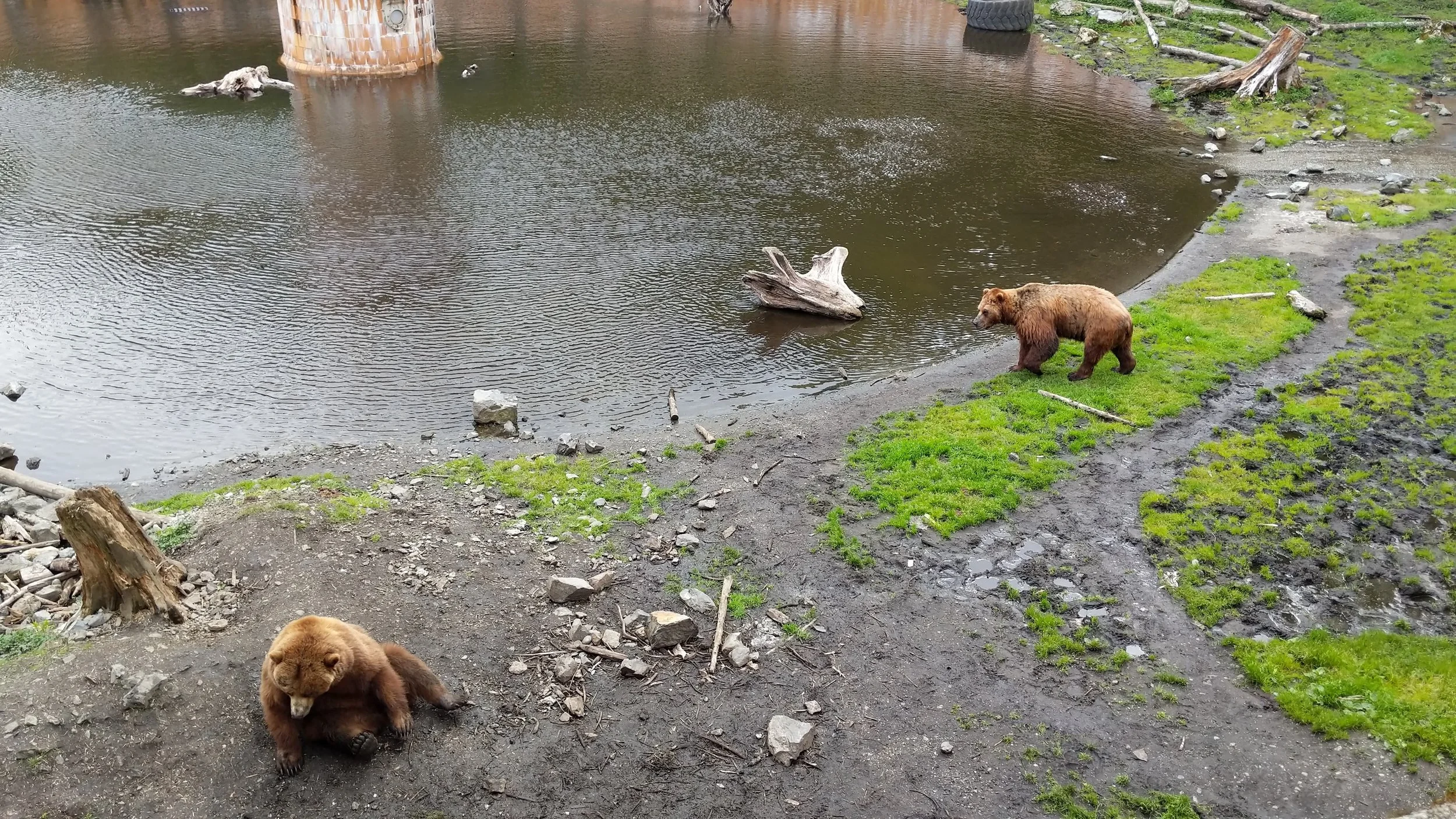
Fortress of the Bear is an educational brown bear rescue center in Sitka. We enjoyed our visit to the facility during one of our stops in town. (Photo by John Roberts)
Find an operator offering a scenic combo tour (costs around $110 to $150 and lasts three to four hours) that hits Sitka's highlights.
You’ll visit the Fortress of the Bear, which is a rescue sanctuary in a former pulp mill where you can get close-up views of orphaned brown bears. Also, the tour takes you to the Alaska Raptor Center (a rehabilitation facility where you meet bald eagles and other birds up close, including flight demos) and Sitka National Historical Park (totem poles in a serene forest setting telling Tlingit stories).
Small groups and expert guides make this an enjoyable outing, with enough walking and outdoors time to really appreciate the variety and beauty that this Alaskan town offers.
The tour delivers guaranteed wildlife, cultural depth and easy pacing without long transfers.
Tips: Wear sturdy and comfy shoes.